Your Fire Pit Buying & Planning Guide

Before you click “buy now” on that sleek smokeless pit or start digging a circle in the lawn, there are a few important things to consider.
This guide covers all the essentials: types of fire pits, fuel options, materials, placement, seating, and more — basically everything I wish I’d known before putting in a fire pit of my own.
Types of Fire Pits: Which One Fits Your Space and Style?

There are several fire pit styles, and the right one depends on your budget, how you plan to use it and what kind of vibe you want.
Wood-burning – Classic campfire feel, crackling sounds, and strong heat output. They do create more smoke and require cleanup.
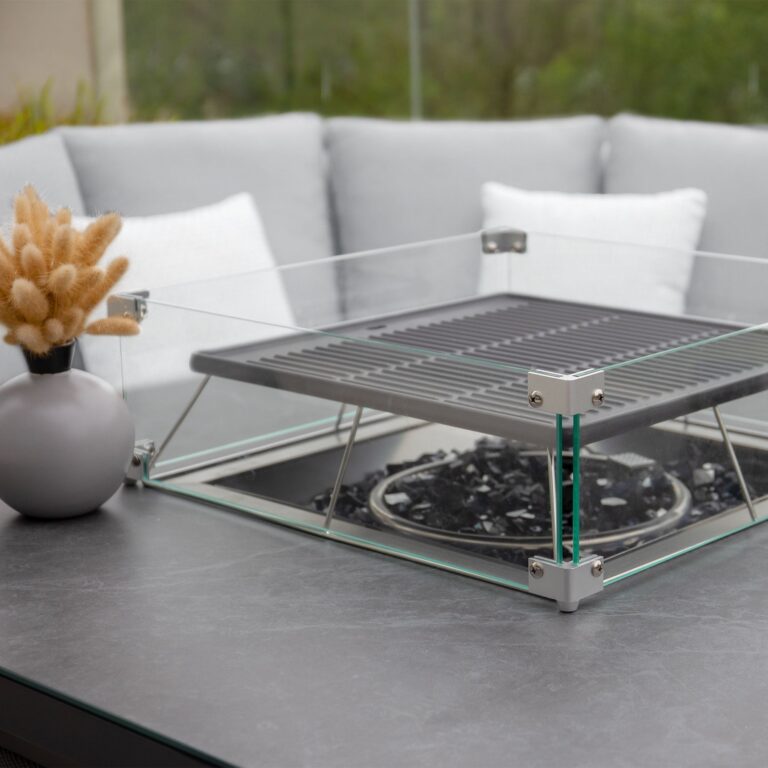
Gas or Propane – Clean-burning, easy to light, and low maintenance. You won’t get the same smell or sound, but they’re super convenient.
Smokeless Fire Pits – Designed to minimize smoke (great for small patios or close seating). They’re modern, efficient, and becoming very popular.
Built-in vs Portable – Built-ins can be stunning focal points but are permanent (and more costly!). Portable pits offer flexibility and are easier to store or reposition.
Fuel Types: What’s Best for You?

The fuel you choose affects everything from heat output to maintenance. Here’s what to know:

Wood – Affordable and natural but requires buying (or chopping) and storing the wood. It also produces smoke and ash.

Propane – Burns clean and is easy to control but requires refilling.

Natural Gas – Hooked directly into your home’s gas line. No tank required, but installation can be pricey.

Gel Fuel – Creates ambiance and smaller flames. Great for tabletop use but doesn’t give off much heat.

Are Smokeless Fire Pits Worth It?

Smokeless fire pits use clever airflow systems to reburn smoke before it escapes — meaning you don’t go to bed smelling like a campfire. These types of firepits put out way less smoke than traditional fire pits, especially after the fire is fully going.
Material Matters: Choosing for Durability & Aesthetics

Fire pits come in a variety of materials, each with its own benefits and aesthetic.

Steel has a modern, sleek look but can rust over time if it’s not properly coated or covered. Cast iron is extremely durable and retains heat well, though it’s quite heavy. Concrete or stone is ideal for built-in fire pits, offering a sturdy, long-lasting option that blends well with outdoor landscaping. Copper has a beautiful warm color and develops a natural patina over time, but it does require more maintenance to keep it looking its best.
Your local climate can also affect your choice — in rainy or coastal areas, opting for a rust-resistant material is especially important to ensure your fire pit holds up over time.
Where Should You Put It?

A fire pit needs a safe, stable base to function properly and minimize fire risk. Gravel or pavers are great options — they’re fire-safe, stylish, and perfect for DIY setups. Concrete is another excellent choice, offering a solid and durable foundation.

If you’re placing your fire pit on a deck, be sure to use only models that are rated as deck-safe, and add a heat shield or protective barrier underneath. No matter where you put it, make sure your fire pit is a safe distance from your house, trees, or any overhanging structures.
Seating Layouts That Work (and Look Amazing)

When planning the seating around your fire pit, think about the balance between comfort, maintenance, and the overall vibe you want to create. Adirondack chairs or other cushion-free options are low-maintenance favorites—just wipe them down and you’re good to go.
On the flip side, lounge-friendly seating like outdoor sofas or cushioned chairs brings a cozier, more inviting atmosphere, ideal for entertaining or stretching out by the fire, but requires more maintenance.
Accessories That Level Up Your Fire Pit Game

Once you’ve got the basics, there are tons of fun add-ons that can take your fire pit setup to the next level. Cooking accessories like grill grates, hot dog forks, or even pizza stones make it easy to turn your fire pit into an outdoor kitchen.

String lights or lanterns to create a warm, inviting glow around your space. And don’t overlook functional details like log holders or storage solutions — they keep everything organized while adding a decorative touch.
How to Maintain Your Fire Pit Through the Seasons

Your fire pit will last longer and perform better with a little TLC: Clean ash or debris after each use (for wood models). Wipe down gas models and inspect lines. Cover your pit when not in use, especially in wet weather. Re-seal concrete or stone every few years if needed.
What Will This Cost Me? A Realistic Budget Breakdown

Here’s a ballpark idea of what to expect: Budget ($100–$300): Simple portable wood or gas pits, often steel or lightweight metal. Mid-Range ($300–$800): Smokeless models, nicer materials, or small built-ins. High-End ($1,000+): Custom stone fire pits, gas lines, or complete backyard installations.
Don’t forget to factor in seating, fuel, and accessories — it adds up quickly, but you can also start small and build up your space over time.

A fire pit is more than just a backyard accessory — it’s the heart of your outdoor living space. Whether you’re going for rustic charm, sleek modern vibes, or something in between, taking the time to think through these details will help you create a space that’s safe, beautiful, and built to last.
Check out my post Dreaming of Evenings Around a Fire Pit for more ideas on creating the perfect outdoor fire feature.