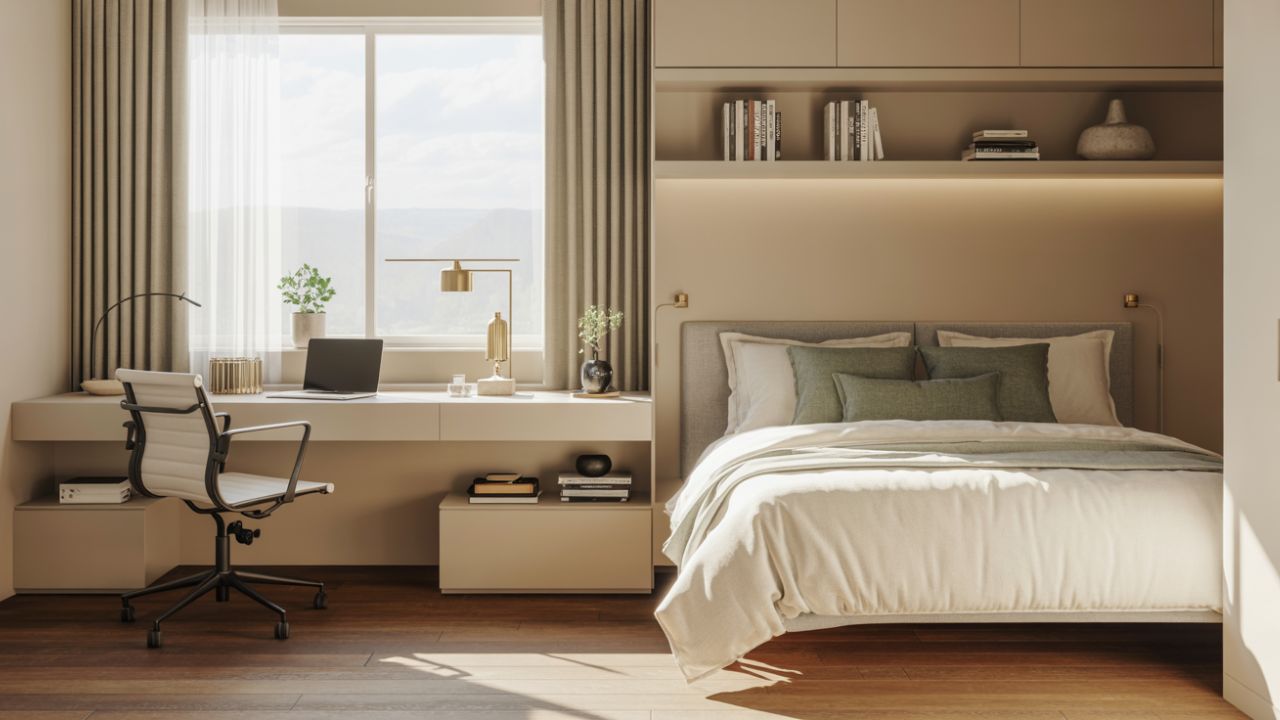
15 Stunning Bedroom Office Ideas To Maximize Space And Productivity
Creating a bedroom office has been one of the most transformative changes I’ve made in my home life. At first, I was skeptical—how could I possibly combine a restful bedroom with a productive workspace without feeling like my relaxation time was constantly invaded by work? But over the past few years, I’ve experimented with layouts, furniture, colors, and clever storage solutions, and the results have been incredible. By carving out a dedicated workspace that doesn’t overwhelm the bedroom, I’ve found that my productivity skyrocketed, my stress levels dropped, and my evenings became truly relaxing again. It’s like having two rooms in one, carefully balanced to support both rest and work, and it’s amazing how small details—like lighting, chair comfort, and desk placement—can completely change the energy of a space.
Quick Key Points:
- Separate zones for sleep and work
- Maximize natural light for focus
- Use multifunctional furniture for small spaces

Why Bedroom Office Ideas Matter
I think a lot of people underestimate how much the environment influences productivity. A bedroom office isn’t just about shoving a desk into a corner; it’s about creating a mini sanctuary that supports your goals. When I first started working from home, I noticed I was distracted constantly.

My laptop was on my bed, my pens were scattered, and somehow every little thing screamed, “Don’t work here!” By designing a proper bedroom office, I learned that visual separation matters more than square footage. Even a small nook can feel like a dedicated workspace if it’s well thought out. It’s not just decor—it’s a mental shift that tells your brain, “This is work mode.”

Setting Up Zones Without Feeling Cramped
One of my favorite tricks is zoning. I literally divide my bedroom into sleep, work, and relaxation areas. My bed occupies one side, the office nook another, and I even created a tiny corner for reading with a lounge chair. I use a low bookshelf as a subtle divider, and sometimes just a curtain works wonders. Colors play a big role here too; soft neutrals keep the room serene while pops of color in the office area signal focus. This tiny visual cue is like telling your brain to switch gears without even thinking about it.

Table 1: Bedroom Office Zoning Ideas
| Zone Type | Tips for Setup | Why It Works |
| Sleep Area | Soft linens, neutral palette, keep work tools away | Helps relax and signals bedtime |
| Work Area | Desk near window, ergonomic chair, task lighting | Boosts focus and productivity |
| Relaxation Nook | Comfy chair, floor lamp, small bookshelf | Offers mental break and reduces stress |

Choosing the Right Furniture

Furniture choice can make or break a bedroom office. I learned this the hard way after trying a tiny foldable desk that was wobbly and gave me back pain. Investing in an ergonomic chair and a sturdy desk changed everything. I also love multifunctional furniture—like a desk that doubles as a nightstand or a Murphy bed with a hidden office area.

These pieces are lifesavers in small spaces because they give you functionality without clutter. Adding shelves above the desk for books and supplies keeps everything within reach, and suddenly, the room feels bigger than it actually is.
Lighting: More Than Just Brightness
I can’t stress enough how much natural light transformed my workflow. My desk faces the window, letting in sunlight that boosts energy and lifts my mood. I also added a small desk lamp with adjustable brightness for late-night work.

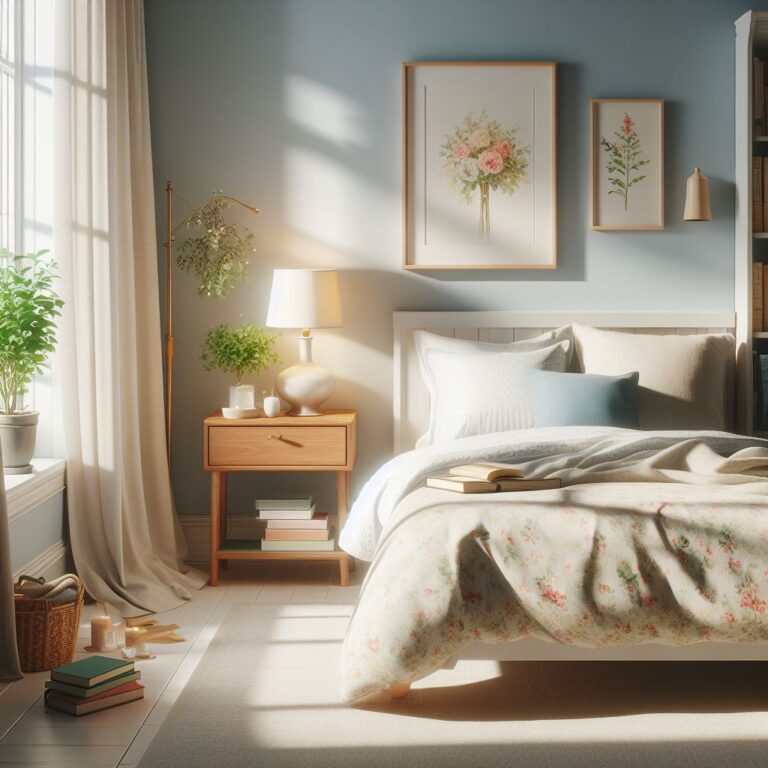
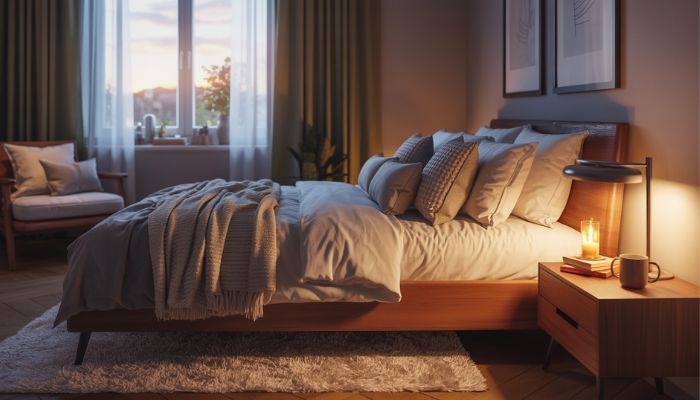
Warm lighting for the bedroom area contrasts nicely, signaling a relaxation zone. Lighting isn’t just functional—it’s emotional. Soft warm tones tell your body, “Slow down,” while cooler daylight mimics outdoor sunlight to boost alertness. Balancing both creates a seamless rhythm between work and rest.
Walls, Colors, and Personality

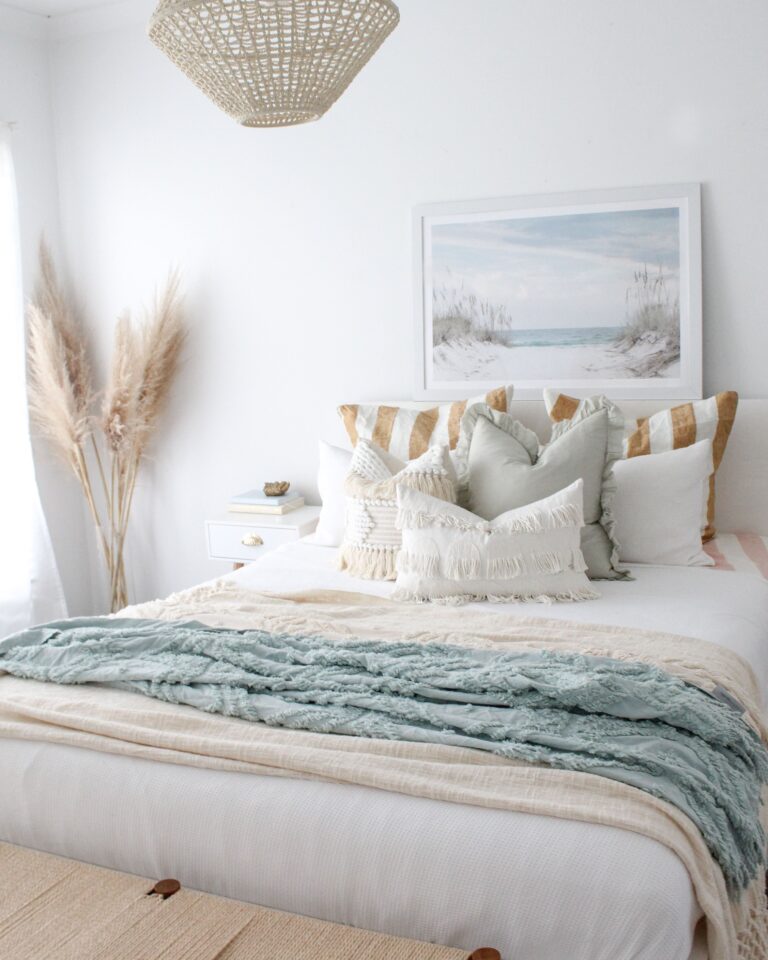
Color and decor are deceptively powerful. My first office setup was all white, sterile, and uninspiring. I added soft pastels, a statement piece of art above my desk, and removable wallpaper in the office nook. Instantly, the space felt intentional, cozy, and motivating. For small bedrooms, vertical patterns or light-colored walls can make the area feel more open.

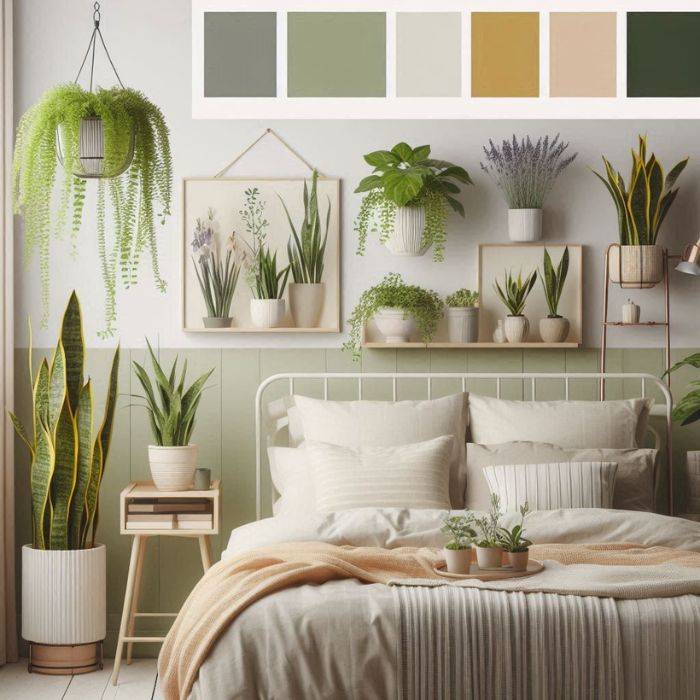
Personal touches—like framed photos, plants, or a small sculpture—also make the space feel like yours. After all, we spend so much time there; it should reflect your personality and energy.
Table 2: Color & Decor Tips
| Area | Recommended Colors/Decor | Effect on Mood/Focus |
| Work Nook | Pastels, bright accents, motivational prints | Boosts creativity and productivity |
| Bedroom | Neutrals, soft tones, minimal clutter | Encourages relaxation and better sleep |
| Relaxation Corner | Deep tones, soft textures, plants | Reduces stress and offers mental break |
Storage Hacks That Actually Work

Clutter kills productivity faster than anything else. I once had pens, notebooks, and chargers all over my desk—it was chaos. Wall-mounted shelves, under-desk storage, and decorative boxes changed the game. I even use vertical shelving to store supplies and decorative items simultaneously. A clear desk policy works wonders too: at the end of the day, I put everything back in its place. It feels like a mental reset. For small bedrooms, storage solutions aren’t optional—they’re essential.

Making Small Spaces Work
Even in a tiny bedroom, a functional office is possible. I transformed a closet into a mini workstation with a floating desk and shelves. A corner desk, a loft bed, or a Murphy bed can help separate work and sleep areas without losing precious square footage. Sometimes it’s about thinking vertically, sometimes creatively—like using a narrow bookshelf as a divider. I’ve realized that the key isn’t having the biggest space; it’s using what you have intelligently and stylishly.

Adding Personality to Your Bedroom Office
Your bedroom office should feel like you. I added personal mementos, a tiny succulent garden, and even a quirky lamp I found at a flea market. These small touches make the office feel inspiring rather than sterile. Work is easier when the space reflects your taste and energy. Even small details like coordinating chair cushions with wall colors can subtly improve focus and mood. It’s not just aesthetics—it’s psychology.
Table of 2 Must-Have Furniture Pieces
| Furniture Piece | Reason to Include | Tip for Placement |
| Ergonomic Chair | Supports long hours, reduces back pain | Place near desk for comfort |
| Multi-functional Desk | Serves as storage, nightstand, or foldable work area | Position near window or alcove for light |
Tips for Productivity in a Bedroom Office
- Keep a clear boundary between work and sleep zones.
- Position your desk for natural light and a pleasant view.
- Declutter daily to maintain a calm environment.
- Use multifunctional furniture to save space.
- Personalize your workspace with art, plants, and decor.
FAQs
Is it a good idea to have an office in your bedroom?
Yes, if you need a quiet space and are willing to maintain separation between work and rest.
How should I arrange a desk in a bedroom?
Face it away from the bed, near a window if possible, and use a folding or wall-mounted desk if space is tight.
Can I combine a bedroom and guest room with an office?
Absolutely. Murphy beds, sleeper sofas, or foldable furniture make it easy.
What color works best for a bedroom office?
Soft neutrals for calm, with accents or pastels in the workspace to boost focus.
How do I manage storage in a small bedroom office?
Use vertical shelving, wall-mounted desks, built-ins, and decorative boxes for efficient storage.
Should I use natural light or artificial lighting?
Both. Natural light energizes, while warm artificial light helps transition to relaxation.
Can a small nook become a functional office?
Yes. A corner desk, wall shelves, or alcove setup can turn even tiny spaces into productive work areas.