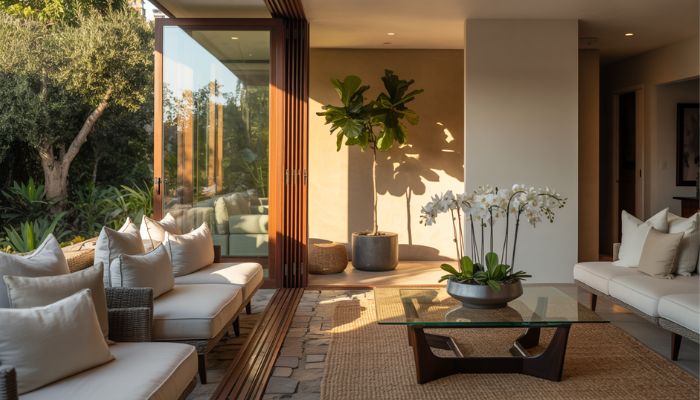
15 Stunning Patio Extension Ideas To Transform Your Outdoor Space
When I first thought about extending my patio, I never imagined how much it could completely transform my backyard experience. My small, plain concrete slab suddenly became a vibrant space where friends gather, kids play, and evenings feel like a mini-vacation. Patio extensions aren’t just about adding space—they’re about creating a lifestyle, a comfortable outdoor nook that reflects who you are. From cozy lounges to functional dining zones, the right patio extension can balance beauty, utility, and even a hint of magic. Honestly, seeing my family enjoy the backyard more than ever makes every effort worth it.
Key Points:
- Budget-friendly materials can still look high-end.
- Functional zoning maximizes space for every activity.
- Lighting and greenery make patios feel inviting at any hour.

Why Consider a Patio Extension
When I first looked at my backyard, I realized the existing patio was barely functional. It could barely hold our small outdoor table, and forget about inviting friends over. That’s when I started exploring patio extension ideas. A well-planned extension does more than increase square footage—it creates distinct zones for dining, relaxing, or even stargazing. Imagine stepping out from your kitchen into a seamless outdoor dining area where laughter flows freely. That’s the kind of experience a thoughtful patio extension offers.

Adding a patio extension also enhances your home’s value. Potential buyers often notice usable outdoor spaces more than they notice interior renovations. Beyond financial gains, it improves your quality of life. For me, it became a mini oasis that offered fresh air, sunshine, and a place to unwind after hectic days. That sense of serenity is priceless.
Planning Your Patio Extension
Before I started hammering boards or spreading gravel, I spent weeks measuring, sketching, and visualizing. The first step is simple: know what you have and what you want. A patio extension isn’t just adding space randomly; it should align with your lifestyle. Ask yourself: Do I need a dining area? A fire pit? Space for kids to play? Each answer informs your design.
Tip: I created a small diagram of my backyard, marking existing trees, shrubs, and the sun’s path. This little exercise helped me avoid mistakes, like placing the dining table in a spot that baked in afternoon sun. Planning carefully saves you headaches, money, and post-installation regrets.
Budget-Friendly Patio Extension Ideas
I’ll be honest—when I started, my budget wasn’t massive. Gravel patios quickly became my go-to solution. Laying down a weed barrier and tamping pea gravel cost a fraction of concrete. If you combine gravel with reclaimed pavers, you get a chic, textured look without overspending.
Another tip: mix DIY efforts with small professional touches. I installed some paving stones myself, then hired a contractor for the more delicate parts. It saved money and gave me a sense of pride. Table 1 below shows a comparison of cost-effective patio materials I explored:
| Material | Average Cost per Sq. Ft. | Pros | Cons |
| Gravel | $1–$3 | Budget-friendly, easy DIY | Can shift if not compacted properly |
| Concrete Overlay | $7–$12 | Durable, smooth surface | Needs curing time, less DIY-friendly |
| Pavers | $5–$10 | Stylish, versatile | Labor-intensive installation |
| Reclaimed Wood | $2–$6 | Sustainable, rustic aesthetic | Requires maintenance |
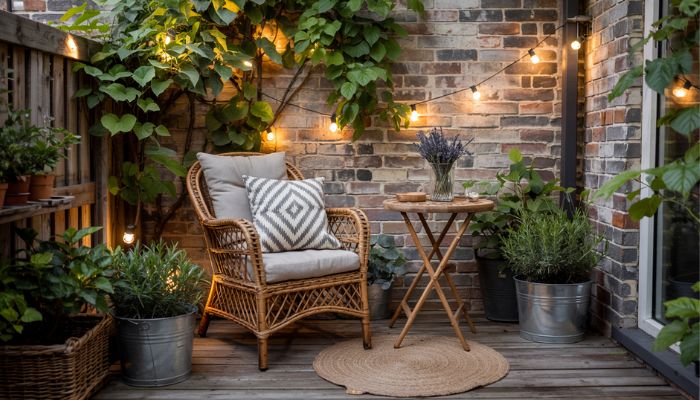
Budget-friendly doesn’t mean cheap-looking. A mix of textures, patterns, and small decorative elements can make a simple gravel or paver patio feel elegant and intentional. I paired gravel with potted plants, string lights, and a few stepping stones. Overnight, the space went from plain to welcoming.
Material Options for Patio Extensions

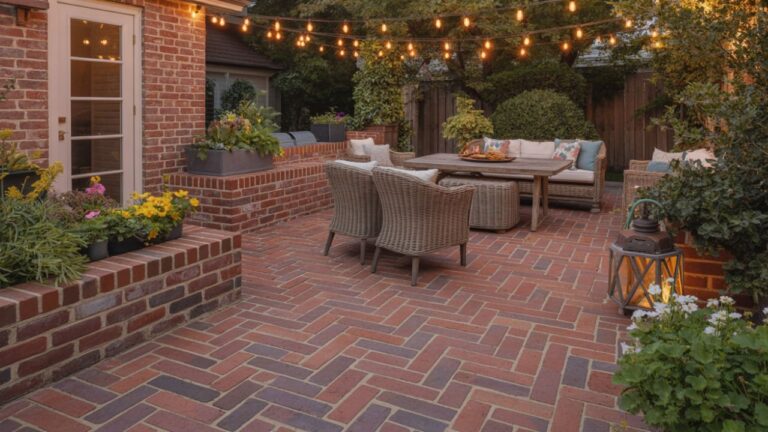
Choosing the right materials felt overwhelming at first. Should I go with concrete, pavers, tiles, or even wood? I learned that combining materials adds character. Concrete provides durability, while pavers or flagstones offer visual intrigue. Decorative tiles, like Moroccan-inspired patterns, instantly elevate a space.

For example, my dining area got a small patch of patterned tiles under the table. It subtly draws the eye without overwhelming the space. Table 2 shows the pros and cons of different popular patio materials:
| Material | Durability | Maintenance | Visual Appeal |
| Concrete | High | Low | Moderate |
| Pavers | Medium-High | Medium | High |
| Flagstone | High | Medium | High |
| Decorative Tiles | Medium | Medium | Very High |
Blending these materials allows for a versatile, modern look while ensuring parts of the patio withstand daily wear. My advice: don’t limit yourself to one material; play with textures and colors to reflect your personality.
Raised Deck and Wooden Patio Extensions

Raised decks are a game-changer if you want a patio extension with dramatic elevation. I added a small composite deck to my backyard, and it instantly became a focal point. Composite decking requires minimal maintenance but feels like real wood.

Raised decks allow for creative under-deck storage or even hidden garden beds. I tucked some planters underneath, turning otherwise wasted space into greenery. If your yard has uneven terrain, a raised deck can smooth things out without expensive grading. It’s versatile, functional, and aesthetically pleasing.
Covered Patio Extensions

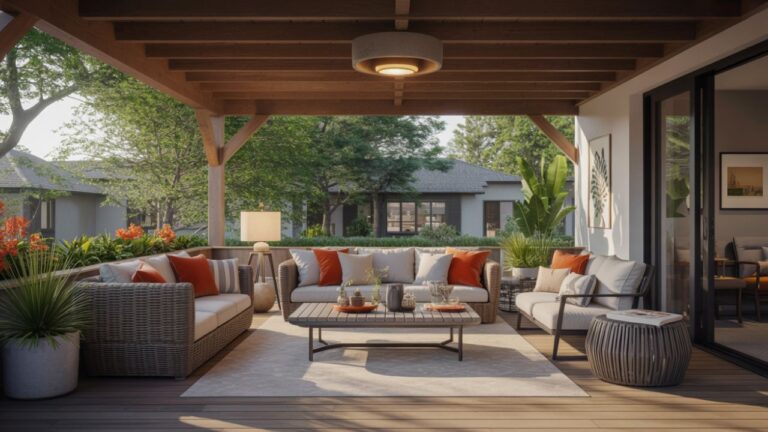
Nothing makes a patio feel more inviting than a covering that provides shade and shelter. Pergolas, patio roofs, or simple awnings create comfort without enclosing the space. I installed a wooden pergola with string lights draped across. Suddenly, our evenings felt magical.
Covered areas allow you to use your patio rain or shine. Outdoor furniture stays protected, and the space becomes usable year-round. Adding climbing plants on pergola beams creates a natural ceiling, softening harsh lines and blending the extension with your garden.

Creating Functional Zones in Your Patio
One of my best decisions was zoning the patio. Instead of one giant flat area, I created distinct spaces: a dining zone, lounge area, and fire pit corner. It sounds simple, but zoning makes small patios feel spacious and organized.

For example, I used outdoor rugs to define each zone. Rugs visually separate the dining area from the lounge while adding color and texture. You can even use lighting to differentiate spaces. Functional zoning ensures that every inch of your patio serves a purpose.
Built-In Seating and Custom Furniture
I opted for built-in benches along the patio edge, which instantly solved our seating problem. Built-ins are practical, freeing up floor space and eliminating the need for extra chairs.

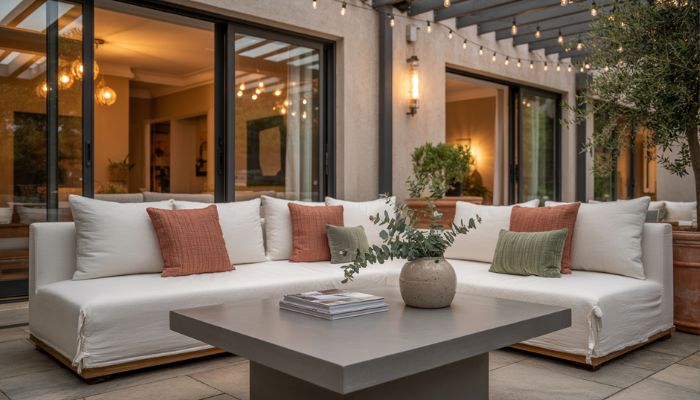
Custom furniture, like a corner L-shaped bench, can add style and comfort. I paired it with weather-resistant cushions and colorful pillows. This setup became my family’s favorite spot, proving that thoughtful furniture choices make a huge difference in usability and vibe.
Landscaping and Greenery Integration
A patio without greenery feels cold. I surrounded our extension with potted plants, flower beds, and small trees. Not only did it add color and fragrance, but it also created natural privacy.

Plants can act as dividers between zones, or even soften harsh edges of paving stones. For instance, I used tall planters to separate the lounge area from the dining space. This added both aesthetic and functional value. Integrating nature makes any patio extension feel lively and connected to the outdoors.

Lighting Ideas for Patio Extensions
Lighting is the secret sauce of patio ambiance. I installed string lights across the pergola and LED path lights along the edges. Suddenly, our patio felt cozy, romantic, and safe at night.

Layered lighting works best: combine ambient lights, task lights for cooking areas, and accent lights for plants or décor. The right lighting extends your patio’s usability long after sunset. Trust me, evening gatherings wouldn’t be the same without it.

Outdoor Kitchen and Entertainment Spaces
If your patio is the heart of social gatherings, consider an outdoor kitchen or bar. I added a small counter with a grill and a mini fridge. Now, hosting dinner parties feels effortless.

Outdoor kitchens don’t have to be massive. Even a compact setup with a grill, counter, and a few stools makes entertaining seamless. Combined with zoning and lighting, this setup turns any patio into a full-fledged social hub.
Fire Pit and Relaxation Zones
Creating a dedicated fire pit corner completely changed our backyard evenings. Surrounded by built-in benches, this area became the ultimate cozy spot. We roast marshmallows, chat, or simply enjoy the warmth under the stars.

Fire pits aren’t just aesthetic—they’re functional and inviting. You can use natural stone or pavers to integrate them with your patio design. A small fire pit transforms a patio into a destination rather than just a backyard feature.
Combining Materials for Visual Interest
I personally love mixing materials. Our patio blends concrete, wood, and gravel with subtle tile accents. The contrast adds texture, interest, and a hint of personality.
Mixed materials also allow practical benefits: concrete for durability, wood for warmth, and gravel for drainage. Playing with patterns, colors, and textures can make a standard extension feel uniquely yours.
Small Patio Extension Ideas for Compact Spaces
Even if your yard is tiny, you can create a functional patio extension. Curved or modular layouts help maximize space. I used a small corner for a dining nook, adding a few chairs and a tiny fire pit.
Planters, vertical gardens, or wall-mounted features help utilize vertical space. The key is to think multi-dimensionally—your patio can feel expansive without physically growing larger.
Planning Tools and DIY Tips
Before lifting a hammer, I highly recommend 3D design software. Visualizing the extension saves headaches, prevents mistakes, and allows you to test materials.
DIY tips: start small, mix professional help where needed, and always prep the ground properly. Even simple extensions look polished if planning and preparation are done thoughtfully.
Table 1: Popular Patio Extension Materials & Features
| Feature | Material | Pros | Ideal Use |
| Durability | Concrete | Long-lasting, low maintenance | Dining or lounge areas |
| Aesthetic | Tiles & Pavers | Stylish, patterned options | Highlighting zones |
| Comfort | Wood & Composite | Warm, inviting feel | Raised decks, seating areas |
| Budget | Gravel | Affordable, flexible | Entire patio or borders |
Table 2: Zoning & Functional Ideas for Patio Extensions
| Zone | Feature | Benefits |
| Dining Area | Outdoor table & chairs | Comfortable meals, social hub |
| Lounge | Built-in benches & cushions | Relaxation, conversation spot |
| Fire Pit | Stone/metal fire pit | Cozy evenings, gathering point |
| Kitchen/Bar | Grill & counter | Entertaining, easy prep |
| Greenery | Planters & small trees | Privacy, aesthetics, natural feel |
FAQs About Patio Extension Ideas
What are the best materials for a patio extension?
Concrete, pavers, wood, gravel, and decorative tiles are popular, each with unique pros and cons.
How can I extend a small patio effectively?
Use curved layouts, modular designs, vertical gardens, and multifunctional furniture to maximize space.
Do I need professional help for a patio extension?
Minor extensions can be DIY, but complex projects like raised decks or outdoor kitchens benefit from professional guidance.
How much does a patio extension cost?
Costs vary based on materials, size, and labor; budget-friendly options like gravel can be as low as $1–$3 per sq. ft.
Can I add a covered area to an existing patio?
Yes, pergolas, awnings, or roof extensions can provide shade and weather protection without full reconstruction.
What lighting works best for patios?
Layered lighting, including string lights, LED pathways, and accent lights for plants or seating areas, creates ambiance and functionality.
How do I maintain my patio extension?
Regular cleaning, sealing concrete or pavers, and caring for plants and cushions keeps the space looking fresh and inviting.