21 Stunning Bedroom Curtain Ideas to Transform Your Space Instantly
When it comes to creating a bedroom that feels both cozy and stylish, the curtains you choose can make all the difference. I remember moving into my first apartment and struggling with the glare from the early morning sun. It wasn’t until I experimented with different fabrics, lengths, and styles of curtains that my bedroom truly felt like a personal sanctuary. Bedroom curtains aren’t just about blocking light—they set the mood, frame your windows, and even reflect your personality. Over the years, I’ve learned that a perfect curtain balances function with aesthetics, creating a room that’s inviting, restful, and visually appealing. From sheer panels that let in soft daylight to blackout drapes that cocoon you in darkness, the options are endless, but knowing how to combine them effectively is key to transforming your space.
Key Points:
- Curtains influence mood, light, and room perception.
- Layering fabrics offers versatility and depth.
- Color and pattern choices anchor your bedroom style.

Layered Curtains for Ultimate Flexibility
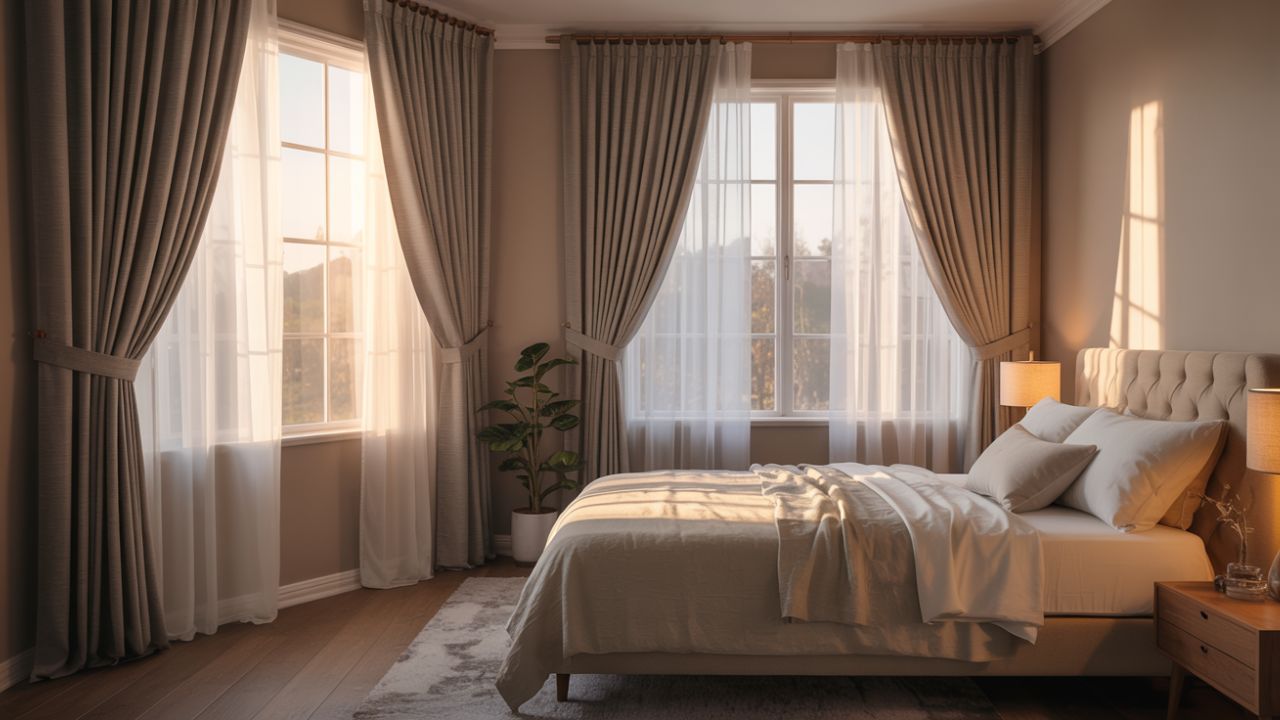
Layered curtains have always been my favorite. Combining sheer panels with heavier drapes allows me to control the light while keeping the room cozy. One morning, I woke up to soft sunlight streaming through the sheers, while at night, the blackout layer cocooned me in complete darkness.

This layering trick not only adds dimension to the room but also brings texture and visual interest. It works beautifully in transitional and modern bedrooms, especially when you coordinate patterns and colors. You can mix a neutral sheer with a bold patterned drape, or vice versa. Over time, I’ve noticed that even subtle patterns on sheers can create a delicate elegance that transforms ordinary windows into a centerpiece.
Why Layering Works

Layered curtains are not just a style statement—they’re practical. Sheers diffuse harsh sunlight, preventing glare on screens, while heavier fabrics provide privacy and insulation. In colder months, the thick drapes act like a cozy blanket over your windows, helping keep warmth inside.

I even experimented with velvet on top of cotton sheers, and the rich texture elevated the entire room. This method is particularly effective in bedrooms where you want versatility: a bright, airy morning or a quiet, dim evening can both be achieved without replacing curtains.
Floor-to-Ceiling Curtains to Elevate Your Space

One of the simplest ways to make a bedroom feel grander is by installing floor-to-ceiling curtains. I tried this in my last apartment, and it completely changed the room’s perception. Even a modest-sized bedroom felt expansive, and the tall panels created an elegant, hotel-like ambiance. Choosing solid colors or subtle vertical patterns enhances this elongating effect, making the ceilings appear higher.

I still remember the first time I pulled the curtains closed at night—the sense of enclosure was unexpectedly comforting, almost like stepping into a luxurious cocoon.
Choosing the Right Fabric

For floor-to-ceiling curtains, fabric choice is crucial. Lightweight materials like linen or cotton drape softly and look effortless, while heavier fabrics such as velvet or wool add drama and sophistication. I personally love linen for daytime, as it lets in just enough light, and pair it with wool for winter nights. One trick I picked up from designers is to slightly puddle the fabric on the floor for a luxurious, casual elegance. It might sound fancy, but it’s surprisingly easy to achieve with longer panels.

Patterned Curtains to Express Personality
If your bedroom feels too neutral or plain, patterned curtains are a fantastic way to add personality. I’ve used everything from floral to geometric patterns over the years, and each time it feels like the room gets a fresh personality. Patterns can serve as the room’s focal point, especially if the rest of the decor is understated.

I remember adding checkered curtains in a guest bedroom once—it instantly felt homey without overwhelming the space. Pairing patterns with solid bedding and accessories creates balance and harmony.

Using Patterns Without Overdoing
A key rule I follow is to keep the rest of the room simple if the curtains are bold. For example, a bedroom with bright botanical curtains benefits from neutral walls and bedding, so the patterns pop without competing.

On the other hand, small repeated patterns can subtly complement a busy space without making it chaotic. It’s all about rhythm and proportion; even subtle changes in scale between textiles can make a huge difference in visual appeal.

Blackout Curtains for Better Sleep
For anyone like me who treasures sleep, blackout curtains are non-negotiable. My early apartment faced the street lights and morning sun, and installing blackout curtains transformed my rest. Made of dense, opaque fabric, they ensure total darkness, which is essential for light-sensitive sleepers. They also enhance privacy and can be surprisingly stylish, available in a variety of textures and colors.

Bonus Benefits
Besides blocking light, blackout curtains help with sound insulation and temperature control. I noticed lower energy bills during winter and summer after using thick blackout drapes. Pairing them with a light sheer layer can create a luxurious, layered look that’s functional by day and restful by night.
Velvet Curtains for a Touch of Luxury

There’s something inherently indulgent about velvet curtains. The first time I draped velvet in my master bedroom, it felt like the room transformed overnight into a boutique hotel suite. Velvet’s rich texture and weight add drama and sophistication, perfect for classic or glamorous interiors. Jewel tones like emerald green or navy make a striking statement, while also providing insulation and soundproofing.

Care Tips
Velvet can be tricky to maintain, so I always recommend dry cleaning. But the payoff is worth it: the fabric catches the light beautifully, adding depth and elegance. You can also mix velvet with lighter sheers to balance the heaviness, which makes the room feel stylish yet cozy.
Sheer Curtains for Airy Ambiance

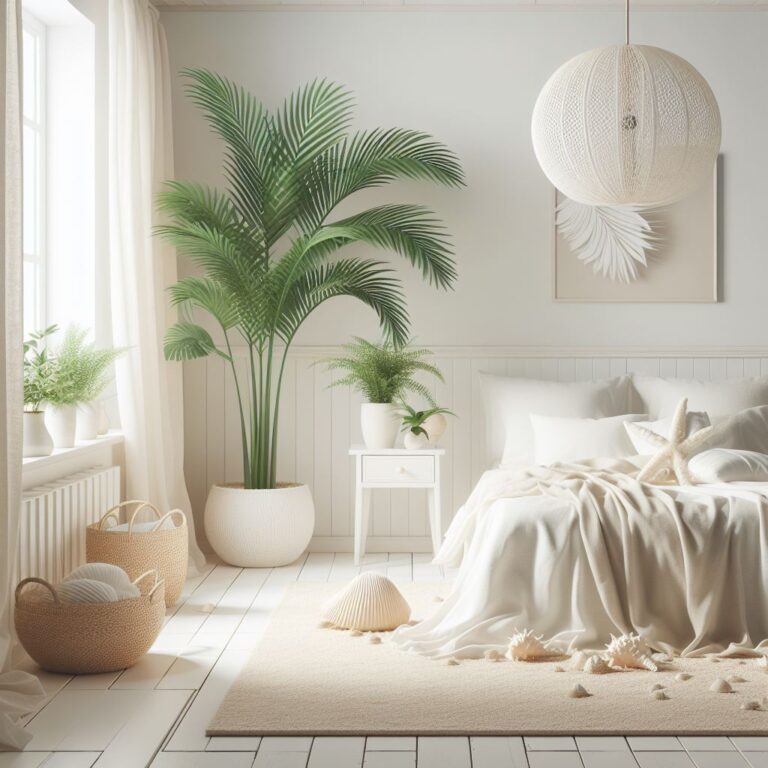
For a bedroom that feels light and breezy, sheer curtains are unbeatable. I’ve used soft white sheers in coastal-style rooms and found they let in just the right amount of daylight, creating a serene atmosphere. Layering them with heavier curtains gives you control over privacy and light, making it versatile. Sheers are ideal if you want a minimalist aesthetic, letting your furniture and decor shine without competing for attention.

Styling Sheers
I like to mount sheers from ceiling to floor for a graceful, elongating effect. Tiebacks or subtle trims add a touch of elegance, and pairing with patterned drapes can give a layered, designer look. Sheers also work wonderfully when paired with blinds or shades for an added layer of functionality.
Bamboo and Natural Shades for Eco-Chic Bedrooms
For a natural, eco-friendly vibe, bamboo or woven shades can be a game-changer. I once used bamboo shades in a bohemian-style bedroom, and the earthy texture added warmth and depth. They’re perfect for filtering light softly while maintaining privacy. Combined with linen curtains, they create a layered, textured look that feels very intentional.

Why Choose Natural Materials
Bamboo shades are sustainable, easy to clean, and add a tactile element that softens the room. Pairing them with neutral curtains ensures the bedroom feels cozy without being visually heavy. I often mix in earthy tones like sand, clay, or olive green to harmonize with the natural textures.
Using Curtains as Room Dividers
In smaller apartments or shared bedrooms, curtains can double as room dividers. I did this in a studio apartment, using sheer panels to separate the sleeping area from the living space. It created privacy without blocking natural light and added a soft architectural element. For bunk beds or shared bedrooms, a blackout curtain for each sleeping nook provides personal space and darkness for restful sleep.

Practical Tips
Choose lightweight fabrics for ease of use. Installing a ceiling-mounted track rather than a rod gives the illusion of more space and ensures smooth movement. You can even mix in patterned curtains to make the divider a decorative feature rather than a purely functional one.
Matching Curtains to Walls and Decor

A trick I often use is to match curtains to wall colors or wallpaper patterns. This creates a seamless, polished look. In one guest bedroom, I chose curtains in the same print as the wallpaper, which made the room feel cohesive and visually intentional. Matching or complementing the bed linen or throw pillows with curtain colors enhances the overall harmony.

When to Contrast
Sometimes, contrast works better than matching. For instance, a bright curtain against a muted wall draws the eye to the window as a feature, while still balancing the room. Think of curtains as a frame for your personal art—subtle shifts in tone and texture can dramatically elevate your design.
Table 1: Curtain Style vs Functionality
| Curtain Style | Best For | Key Benefits |
| Sheer Panels | Minimalist, airy rooms | Soft light, subtle elegance |
| Blackout Curtains | Light-sensitive sleepers | Complete darkness, privacy, insulation |
| Velvet Drapes | Classic, glamorous bedrooms | Luxury feel, soundproofing, insulation |
| Layered Curtains | Versatile spaces | Adjustable light, added depth |
| Bamboo Shades | Bohemian, natural style | Eco-friendly, textured warmth |
Table 2: Fabric Choices vs Room Aesthetics
| Fabric Type | Ideal Room Style | Care Tips |
| Linen | Coastal, minimalist | Machine wash or dry clean |
| Cotton | Modern, casual | Easy care, durable |
| Velvet | Classic, luxurious | Dry clean only |
| Silk | Formal, romantic | Dry clean, avoid sunlight |
| Wool | Cozy, traditional | Spot clean, professional cleaning |
Adding Accessories and Finishing Touches
Curtains are more than fabric—they interact with rods, tiebacks, pelmets, and trims. A well-chosen rod or finial can accentuate the fabric, while tiebacks can offer practical control and aesthetic detail. I always advise experimenting with layers, textures, and finishes. Sometimes, a simple addition like a contrasting trim or a tassel can transform the vibe of the room entirely.
Lighting and Curtain Synergy
The interaction of curtains with natural and artificial light is something I pay close attention to. Sheer panels soften sunlight, making mornings gentle, while heavy drapes can create a cinematic, cozy evening. I even added LED strips behind my velvet curtains once, and the room felt magical, almost like a boutique hotel at night. Understanding how light interacts with your curtain fabric can change the energy of your space significantly.
FAQ Section
What are the best bedroom curtain ideas for small rooms?
Floor-to-ceiling curtains in light colors or sheers help make small rooms feel taller and brighter.
How do I choose between blackout and sheer curtains?
Layering is key: use sheers for daytime light and blackout for sleep or privacy.
Can patterned curtains work in a minimalist bedroom?
Yes, small or subtle patterns can add character without overwhelming the space.
How often should I clean bedroom curtains?
Light fabrics like cotton or linen can be washed every few months; heavier fabrics like velvet may require professional cleaning once or twice a year.
Are bamboo shades practical for bedrooms?
Absolutely. They provide privacy, diffuse light, and add a natural texture to the room.
Can curtains affect room temperature?
Yes, thick curtains or layered drapes can help insulate rooms in both summer and winter.
How do I match curtains with bedroom decor?
Coordinate with wall colors, bedding, or accents; contrast works if you want the curtains to be a focal point.